


We are committed to protecting your personal data and providing you with access to your personal data in accordance with the personal data protection laws in force in the European Union.
By clicking "Accept All", you are giving us permission to place cookies to enhance your experience on this website, to help us analyze site performance and usage, and to allow us to deliver relevant marketing content. You can manage your cookie settings below. By clicking "Confirm" you agree to the current settings.
2023-09-22
Blog
Drying (Correct care of firefighting suits)
Correct care of firefighting suits
Maintaining a firefighting suit, also known as turnout gear or bunker gear, is crucial to ensure its longevity and effectiveness in protecting firefighters during operations. Most SUPER ARMOR® firefighting suits are compliant with EN469:2020, but EN469 does not establish specifc standards for proper firefighting suits mainteince. However, SUPER ARMOR® follows the guideline of NFPA 1851 and provides mainteince to extend the life of the suit and ensures it continues to meet safety standards.
Drying: Drying suits thoroughly after each use is essential not only for comfort but also for maintaining its performance
Drying firefighting suit is a crucial part of its maintenance. Proper drying helps prevent damage, mold growth, and ensures that the gear remains safe and ready for the next use. Always follow manufacturer guidelines for the care andmaintenance of firefighting suit, as specific instructions may vary based onthe materials used in the suit's construction.
Hang to Air Dry:
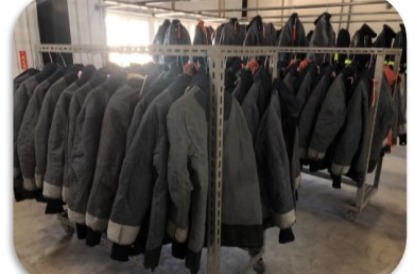
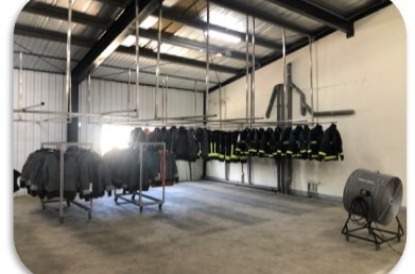
- Hang the firefighting suit in awell-ventilated area to air dry. The suits should be hung in a way that allowsair to circulate around it fully. A fan could be used to speed up the drying process.
- Avoid hanging it in direct sunlight, asprolonged exposure to UV rays can degrade the FR fabrics over time.
Open All Closures:
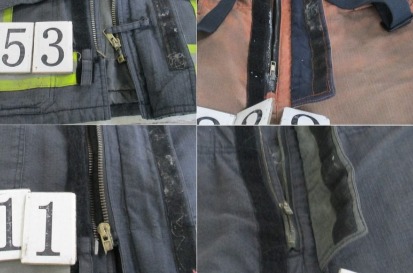
Ensure that all closures, such as zippers, pockets, and flaps, are fully open during drying to allow for proper airflow.
Check for Proper Drying:
Periodically check the suits to ensure that it is drying properly. Depending on humidity levels and airflow, it may take some time for the gear to dry completely.
Rotate and Rehang if Necessary:
If you notice that certain areas of the gear are drying more slowly than others, consider rotating or repositioning it on the hanger to ensure even drying.
Avoid Wrinkling:
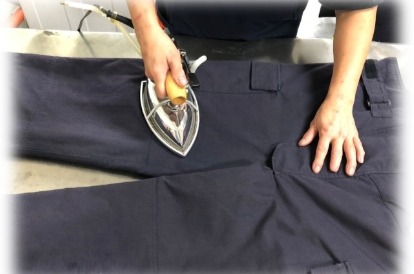
Try to avoid allowing the gear to become excessively wrinkled during drying. This can help maintain the suit's integrity and appearance. Ironing after drying can effectively help restore water-repellent properties after washing.
Machine Drying:
- Do not overload capacity of machine; use “no heat” or “air dry only” option.
- Temperature should not exceed 40° C/ 104° F.
Storage:
- Before storing firefighting PPE, your garments should be clean and dry, avoiding contact with contaminants.
- The storage areas must be well ventilated, with no exposure to harsh lighting, fluorescent lighting, direct or indirect sunlight and moisture.
- Suits should not be stored at temperatures below -32° C (-25° F) or above 82° C (180° F).
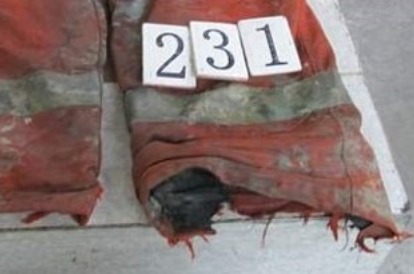
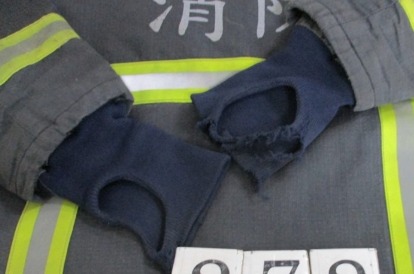
Repairs: If significant damage is identified during regular or advance inspection, such as tears, punctures, or delamination, it's essential to address it promptly. Repairs should be conducted by a certified professional or the suit's original manufacturer to ensure compliance with safety standards such as EN469 or NFPA.